
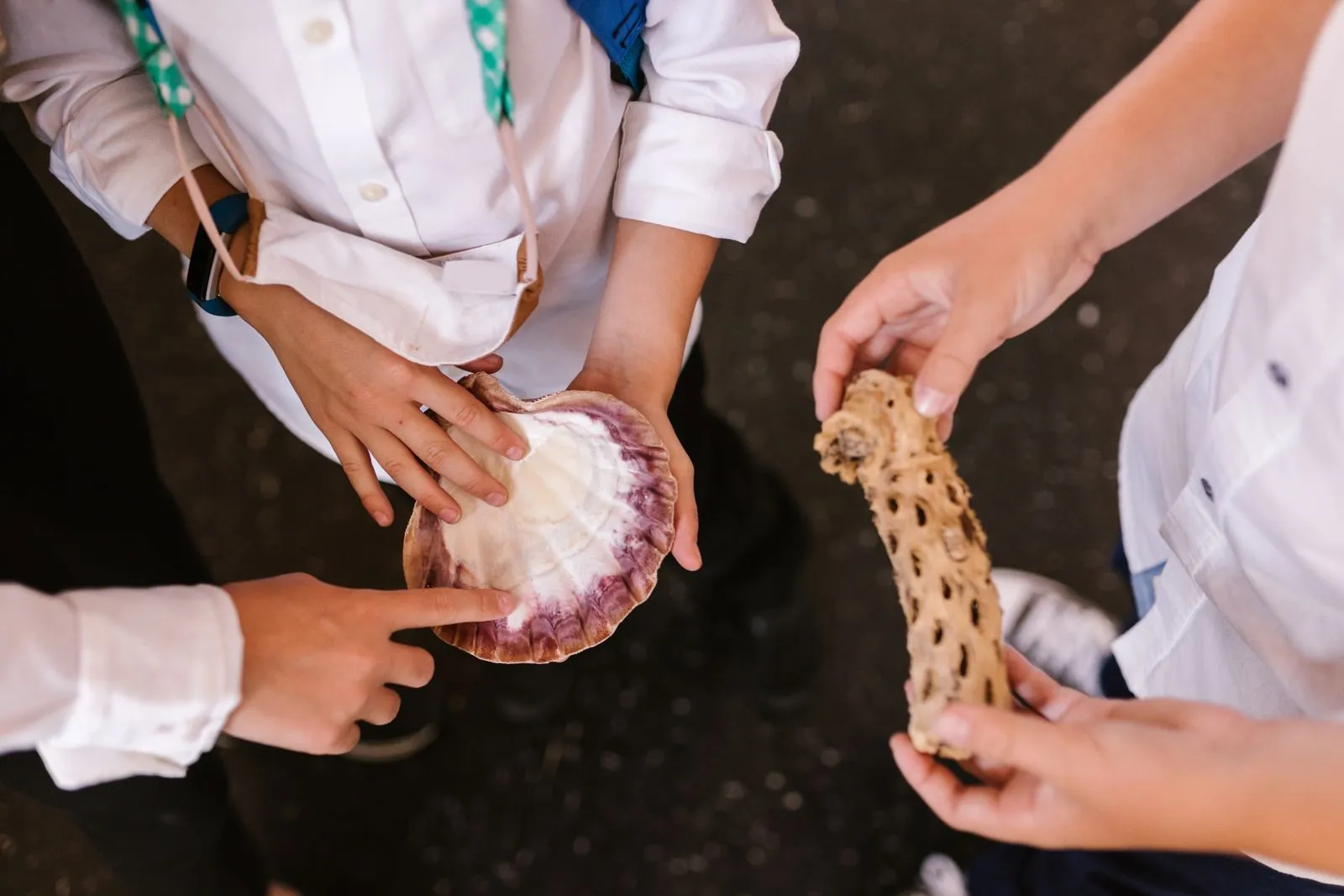
A nature walk turns an ordinary path into a place to investigate. Kids can compare leaves, watch an insect move, or notice how clouds change. These small discoveries give them practice paying attention and asking questions before reaching conclusions. No special equipment is required: a safe route, time to look closely, and a few open-ended prompts can help children build useful science habits while enjoying the outdoors.
Look Closely at Plants
Invite kids to compare plants growing near each other. What looks different about their leaves, stems, or height? Ask them to describe what they see before guessing why two plants differ. This helps children sort details into categories and explain their observations using clear words.
A sketch or a few notes can help kids remember what they noticed. Have them draw a leaf shape or record whether a plant is in sun or shade. Remind children not to pick plants unless an adult says it is safe and permitted; looking closely is enough for a useful investigation.
Follow Insect Clues
Insects give kids a chance to watch behavior over time. They might see an ant carry something, a bee visit a flower, or a caterpillar move across a leaf. Ask, “What do you notice?” and “What might happen next?” Then pause and watch rather than disturbing the animal.
This kind of observation builds patience and helps children separate what they saw from what they assume. For example, “The bee landed on three flowers” is an observation; “It is collecting food” is a possible explanation. Encourage kids to keep a respectful distance and leave insects, nests, and habitats undisturbed.
Notice Weather Patterns
Weather changes offer a practical way to compare conditions. Ask kids to notice cloud cover, wind, temperature, or damp ground, then describe how those details affect the walk. A ribbon or grass moving in the breeze can make wind easier to observe without needing a forecast or a measuring tool.
On repeat walks, children can compare what they notice from one day to another. Was the path wetter after rain? Did the shade feel cooler? They can record a quick word or drawing each time. Keep children dressed for the conditions, and choose a sheltered route if weather becomes unsafe.
Turn Questions Into Investigations
A child’s question can guide the next part of the walk. If they wonder why one patch has more fallen leaves, help them compare it with a nearby patch. Ask what is different and what evidence might help answer the question. The goal is not to supply every answer, but to help kids look for clues.
Keep the activity manageable: choose one question, make a simple comparison, and share what you found. Children can explain their thinking on the way home or draw a picture afterward. Nature education programs such as Curious Creek Nature Club can offer guided practice, but families can build these habits on a familiar neighborhood path.
A nature walk gives kids a hands-on way to practice noticing, comparing, asking questions, and supporting ideas with evidence. Start with a short route and one prompt, then let children lead when something catches their attention. For more guided outdoor learning, explore nature programs available in your community.