
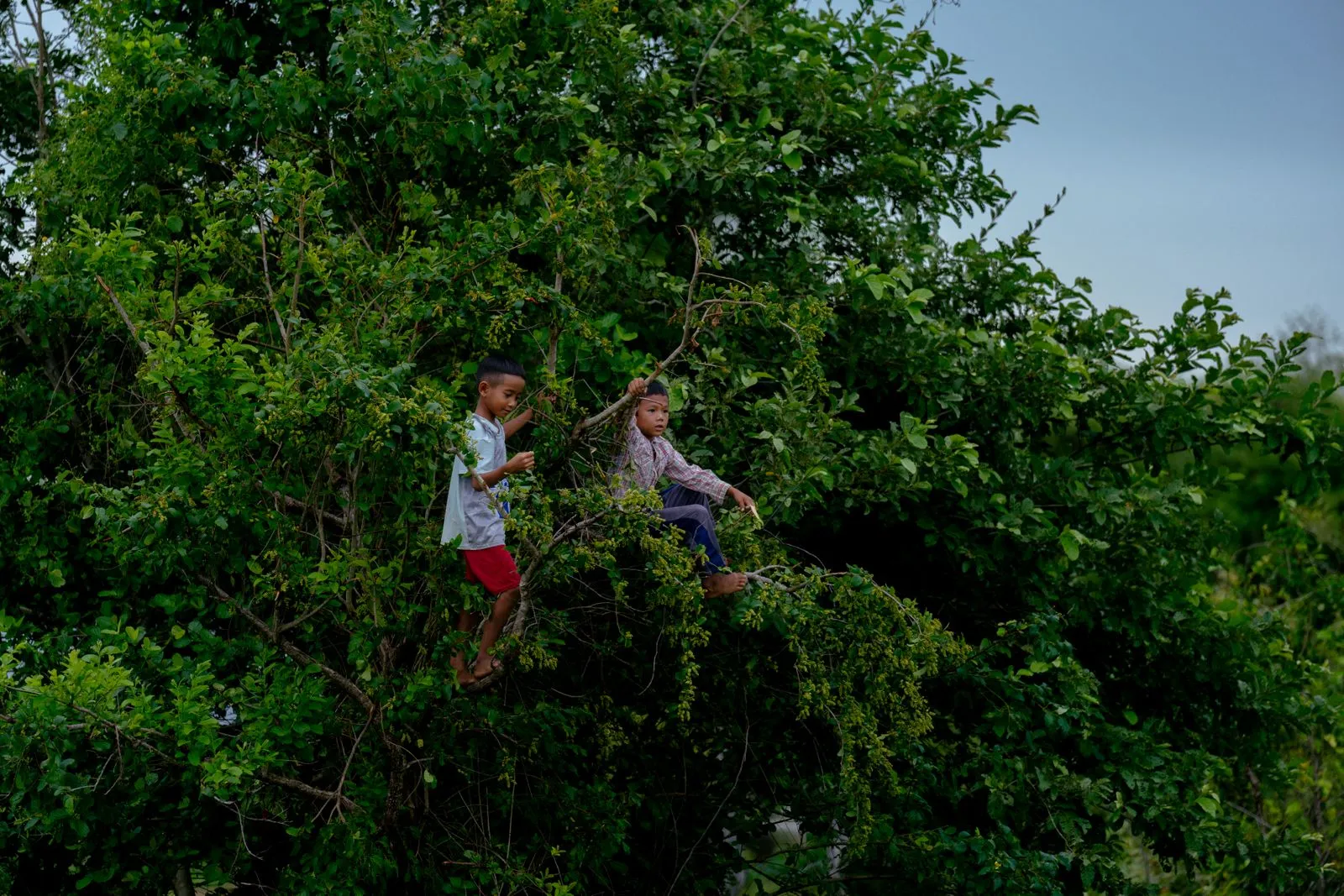
Outdoor learning can mean a cool morning, a sunny afternoon, and a muddy trail—all in one day. The right clothes help kids stay comfortable while they observe, dig, build, and explore. In Madison, where weather can shift quickly, think in layers and choose items that can handle dirt and movement. A simple routine makes it easier to get out the door: check the forecast, pack one useful backup layer, and let kids wear clothes they can get messy.
Build A Flexible Layering System
Start with a comfortable base layer that fits well and lets kids move. On cool days, add a warm middle layer such as a fleece or sweatshirt. Top it with a lightweight, water-resistant jacket when wind or rain is possible. Layers are easier to adjust than one bulky coat, especially when children move between active play and quieter activities.
Check the day’s forecast before getting dressed, but plan for conditions to change. A hat and light gloves can help on chilly mornings, while a brimmed hat can provide shade on sunny days. Keep a spare layer in a backpack or cubby if your child spends several hours outside. Choose easy fasteners that children can manage independently.
Choose Shoes For Uneven Ground
Closed-toe shoes with a secure fit help protect feet on trails and during hands-on activities. Look for sturdy soles with traction, and make sure the shoes are comfortable enough for walking, crouching, and climbing. Avoid loose sandals and shoes that slip off easily, especially when the ground is wet or uneven.
For muddy or rainy conditions, waterproof boots can keep feet drier and make puddles less of a concern. Pack a spare pair of socks when rain or wet ground is expected. If boots are new, have your child wear them for short stretches first so you can check for rubbing before a full day outside.
Dress For Dirt And Discovery
Outdoor learning often involves kneeling, collecting natural materials, handling soil, or trying a small building project. Choose durable pants and shirts that can get stained. Older clothes are useful for messy days, and long pants can add a layer of protection when children move through brush or sit on the ground.
Skip clothing that can catch on branches or interfere with movement, such as long scarves, dangling cords, or oversized garments. A labeled change of clothes is helpful for spills, rain, or an especially muddy adventure. Pack it in a simple bag and include underwear and socks if your child may need a full change.
Make Getting Ready Easier
Keep outdoor gear together in one spot so your child can find it quickly. A small checklist by the door can include a weather-appropriate jacket, comfortable shoes, and any sun or rain protection needed that day. Involve your child in choosing between suitable options; this builds independence while keeping the outfit practical.
Label jackets, hats, gloves, and boots, particularly when children take gear to a group program. Before leaving, check that layers allow free movement and that shoes are fastened securely. A quick look at the forecast and a packed backup layer can prevent small weather changes from interrupting a day of outdoor discovery.
Comfortable, sturdy clothes let children focus on what they are learning instead of cold fingers, wet socks, or a jacket that gets in the way. Prepare for changing conditions with adjustable layers, secure shoes, and a spare outfit for messy days. Keep the routine simple, and your child will be ready to head outside.